Assassin's Creed Valhalla Comparative Review
Assassin's Creed Valhalla sits right at the crossroads where Viking legend and open-world history meet, blending cold steel with the warmth of story. The constellations of Norse myth—Odin, Thor, Loki, Yggdrasil, the coming of Ragnarök—are more than glittering decoration: they're the very framework through which Eivor Varinsdottir's tale is told. Here myth acts like a polished shield: the hero, broken by loss and wandering far from home, sees not a mirror image but a storm of faces. She doesn't try to wear those faces like masks; instead, she grapples with them, and in the clash, she carves out the shape of her own name.

Assassin's Creed Valhalla unfolds as a braid of flesh-and-blood campaigning across England and a dive into the river of mythic memory. The Animus lets players leap between her living heartbeat and the dream-hymns of her lineage, but the two aren't separate. They're mirror-pools that ripple and shout back at each other, telling Eivor not just where to swing the axe, but who she is becoming with every swing.
Odin and Eivor: Who We Were, Who We'll Be, and Why We Remember
Odin in the old stories isn't the wise, loving dad we like to picture. He's the wound we keep opening—hungry for secrets, drunk on knowing the future, and just cruel enough to call it insight. Eivor's memories of him don't feel like gifts from the gods. They hit her like ghosts who won't quit knocking. We find out these aren't miracles—they're echoes of a long-dead Isu, stamped into her blood like old scars.
He shows up when the road splits in two. The second the scale tips toward slaughter instead of peace, she sees him, lips curled in a slow, cold smile, muttering, “We are forged in flame.” It's not wisdom. It's the urge to burn everything down so the ashes can be renamed glory. The voice feels like her own, yet it isn't; it's the DNA she never asked for, flinging her toward the old family story.

From the wider lens of myth, Odin isn't a god; he's the hunger to be more—more powerful, more remembered, more blood on our hands. Eivor's fight never leaves her. She never wonders, “What must I do?” She wonders, “Whose hands are guiding mine?”
By turning Odin into a memory that won't shut up instead of a shining guide, Assassin's Creed Valhalla changes the old tales into a warning: that the tales in our marrow can be louder than the choices in our heads.
Loki and the Torn Self
Odin stands for order; Loki stands for chaos—sneaky plots, clever lies, and living in the in-between. In Assassin's Creed Valhalla, Loki is both the old god roaming glittering Asgard and the modern Basim, a Hidden One burning for revenge. When we learn Basim is Loki reborn, it isn't a random twist; it's built into the game's bones.
The old stories tell of Loki stabbing family, betraying tribes, and tricking destiny. Basim does the same, slipping into Eivor's brave band to get back at the “Odin” he thinks killed his son ages ago. Here the old myth curls back into the story we're playing. The game forces us to sit with the awkward gap between an old wrong and the choices we're living right now.
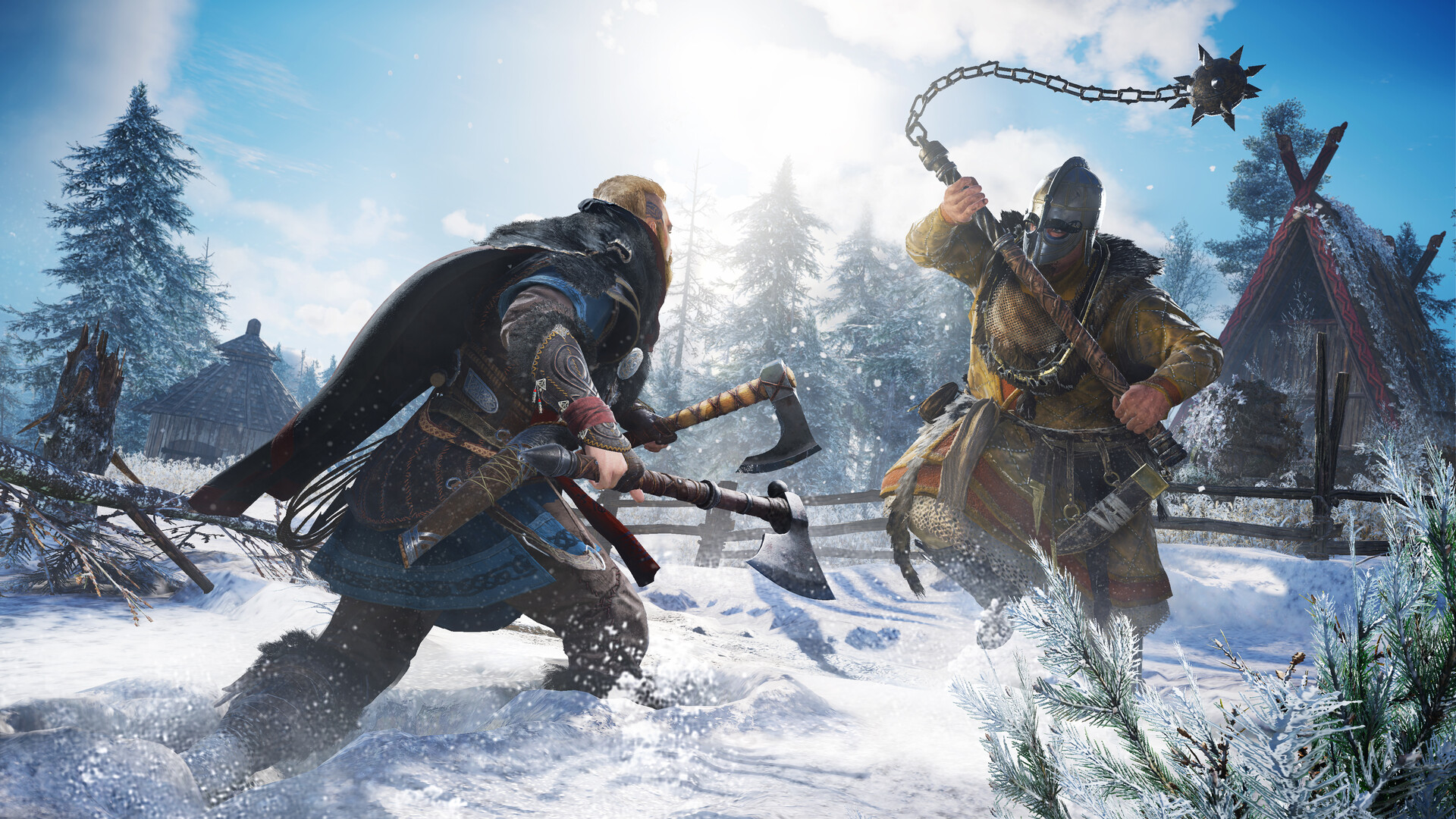
That gap starts to chew on Eivor's sense of who she is. If she’s unwittingly carrying Odin’s old choices, is she already dirty? Can she scrub the sins of earlier lives off her own soul?
These questions pull on deep threads in myths everywhere: who pays the past’s debts, whether the same spirit wears many skins, and whether we can scribble a new ending on an old tale. Eivor, by refusing Basim’s blame and marching into the wilderness instead of swinging back, quietly tears the script of mythic revenge.
Thor and the Shadow of Strength
Thor—Norse god of thunder and swagger—shows up in two ways. Sometimes he’s the storm overhead cracking the sky, other times he’s the brash centerpiece of the story. When he stands in Asgard, he’s the muscle and the roar, charging into battles and keeping oaths, but he never thinks two steps ahead like Odin does. When he smashes giants or holds the fortress gates, he’s the prototype of all-out manliness, and in those moments he reflects Eivor’s raw, ready fists.
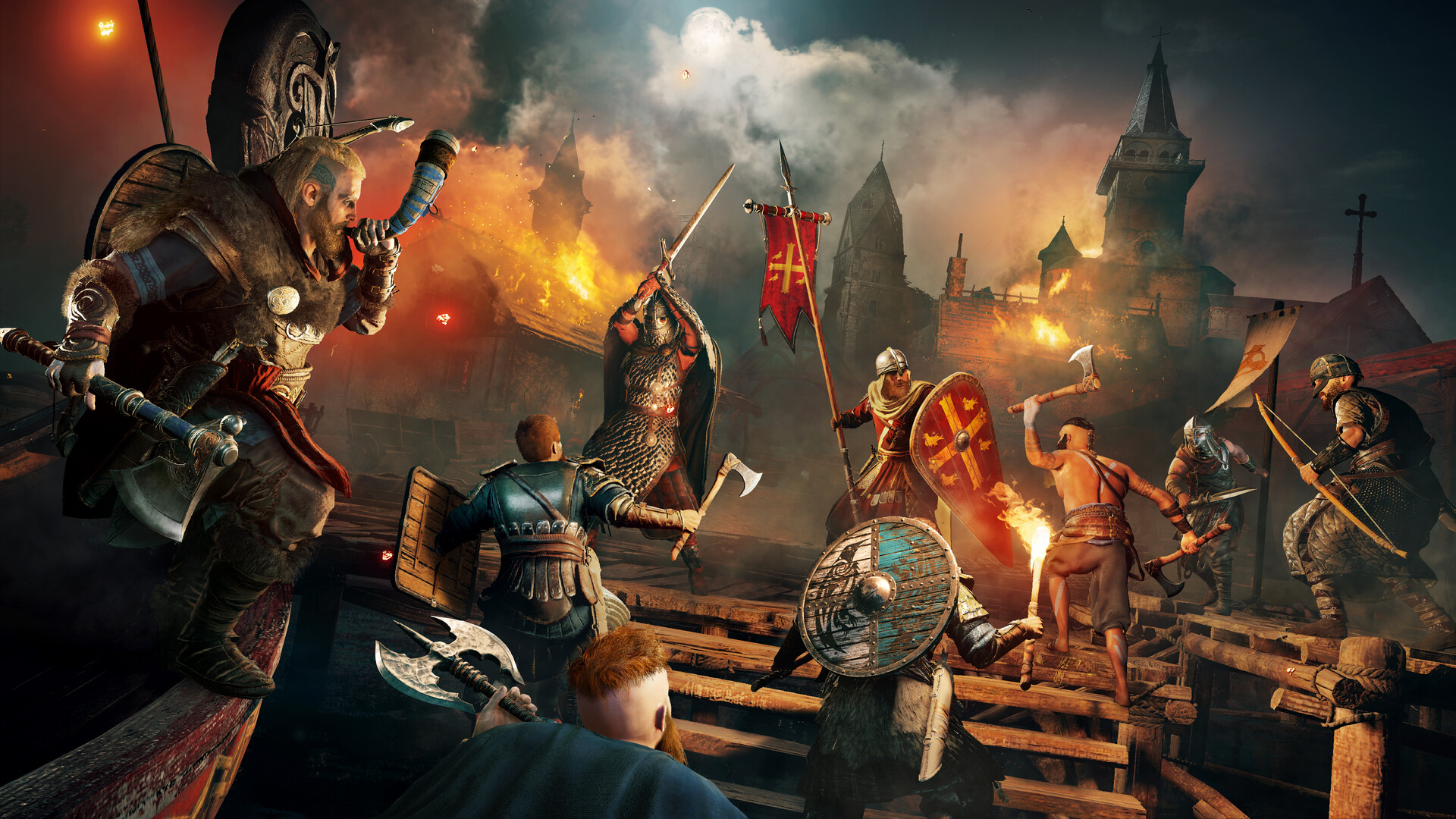
At the start, Eivor loves the fight. Her battle shouts and gritty verses carry the same thunderous pride. But the roads grow longer, and her gaze turns inward. In missions where whisper and shadow win the day, players see her rewiring what strength really means—she doesn’t toss it away, she reshapes it.
In the sagas, Thor is the axe you swing without a plan. Eivor’s slow turn away from pure smashing shows she’s outgrowing that old mold. Valhalla doesn’t just let you wear the legends; it talks back to the old ideas. Eivor never turns into the thunder god; she steps past him.
Yggdrasil and the Labyrinth of Memory
At the heart of Valhalla lies Yggdrasil, the world tree, serving at once as a glowing machine and a mythic backbone. Toward the game’s end, Eivor finds the tree reimagined in shimmering crystalline code; in that moment, the path the Isu used to shift their minds between lives is laid bare. Myth and machine tangle in the same breath.
Yet the tree’s true weight has always been its promise that every world—Midgard, Asgard, Hel—touches the others. In Valhalla, it morphs into the very lattice of memory. Eivor’s path through its branches is less a journey through space than a journey through the self.
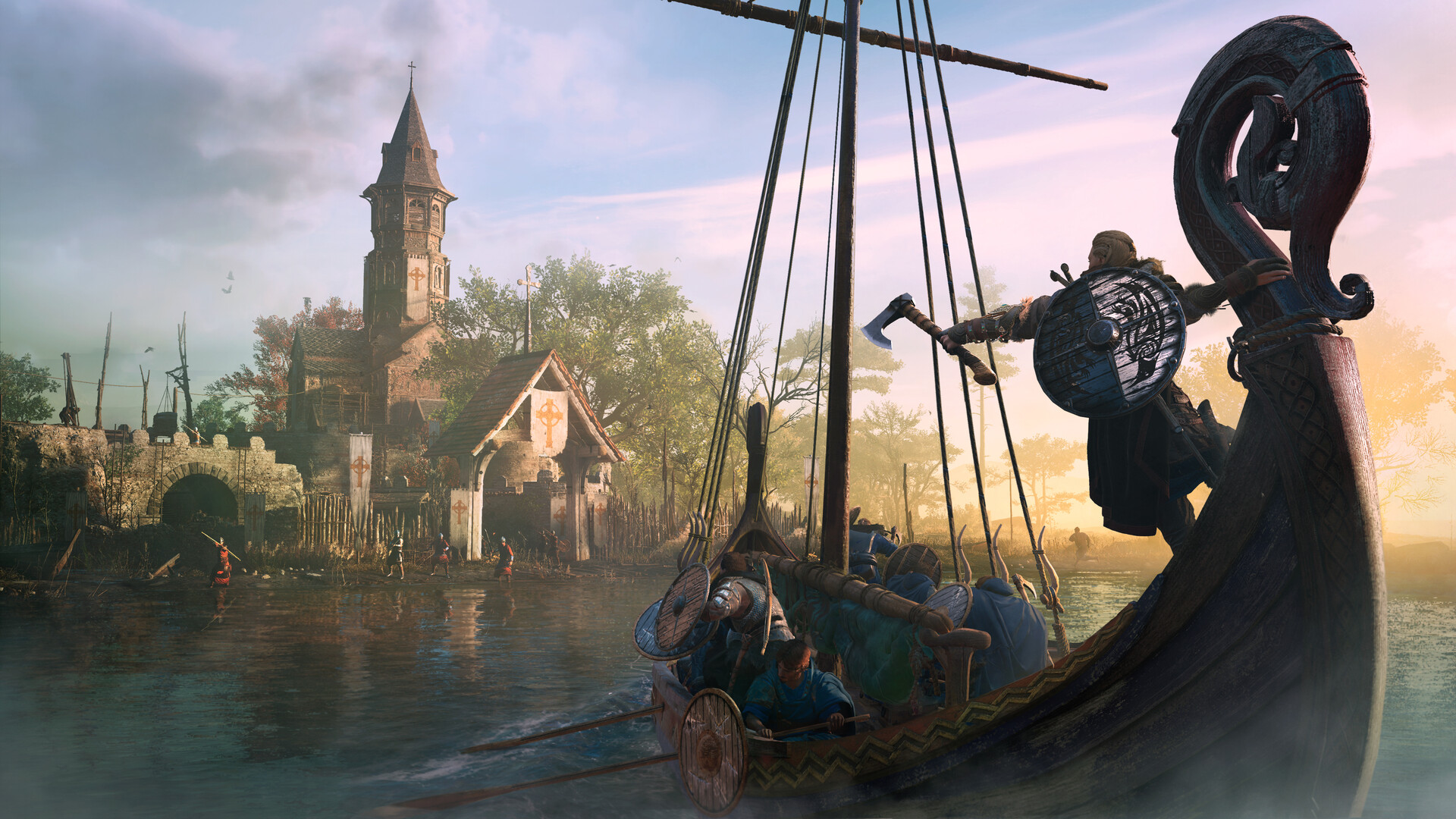
The story dares us to wonder: Is fate a circuit of impulses? Is divinity just information laced into muscle and bone? By stepping into Yggdrasil, Eivor does not usurp Odin; she meets the god’s reverberation and turns away. Her departure is not flight but release.
Scholars of myth might call this a fresh spin on the world’s center: a road not between lands but between selves. Eivor ascends not to greet deities but to trim their claims on her.
Ragnarök as Crisis of Self
The story of God of War: Ragnarök—the final clash where gods fall and worlds burn—plays out in Valhalla’s Asgard arc as a steady collapse of trust and order. Odin dreads the grave. Loki knits chaos. Thor storms against the fate. Underneath it all, Eivor feels her own grip on the world give way.
Back in the living world, her friends shatter. Sigurd chases a bloody vision. The clan splits under too many stars. The memories of her past selves gnaw at her like an endless tide.
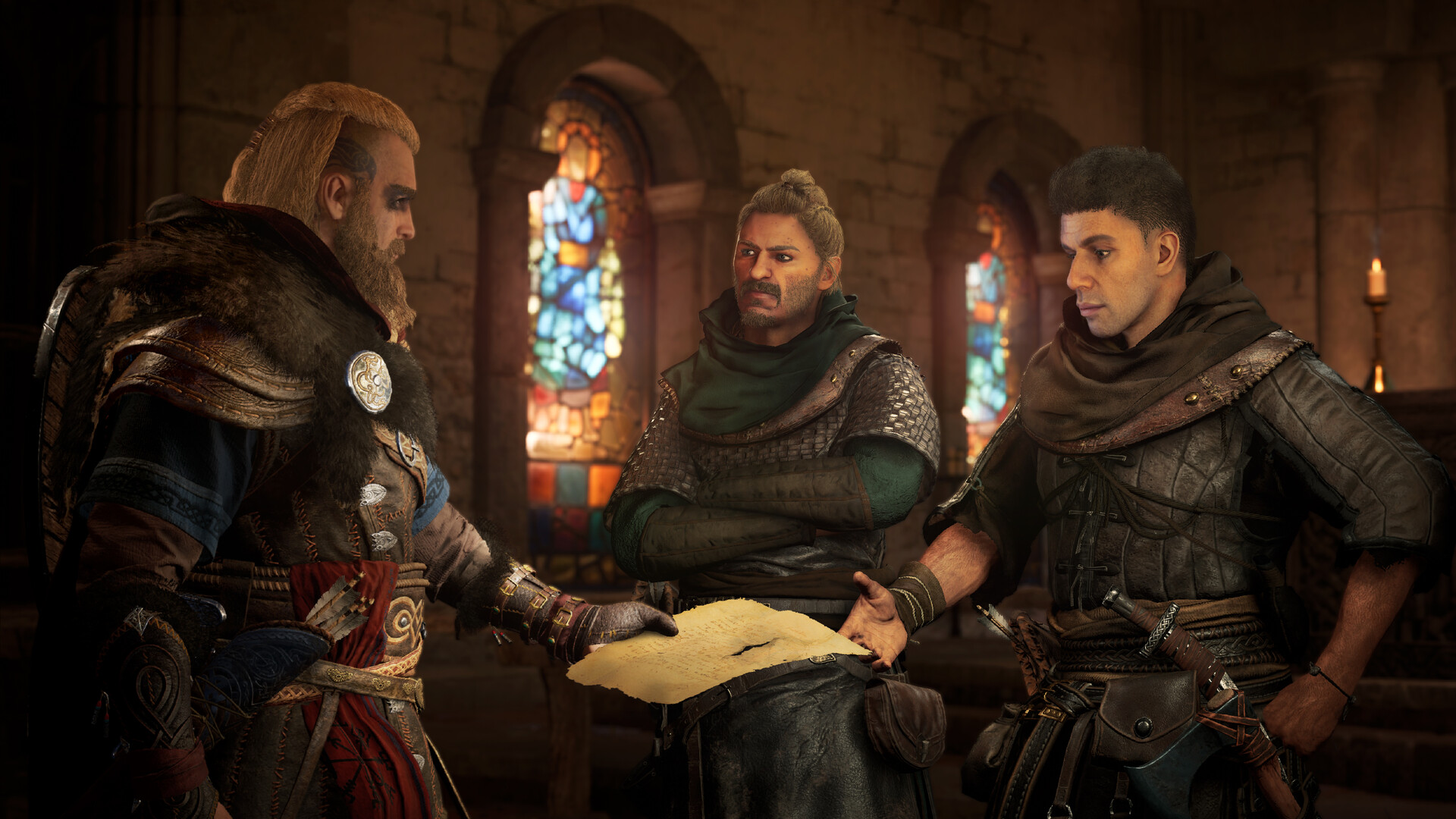
Ragnarök, here, stops being a cosmic wrap-up and turns into a deep inner shattering. When the golden halls fall, it isn’t the end of the cosmos; it is the end of the story she has told herself. Odin’s tight fist on the helm matches Eivor’s tight fist on her story, and when she finally lets go, it isn’t the end of her—only the end of the story that held her in a cage.
By taking the long, lonely path of the exile rather than the throne she could seize through blades, Eivor turns the wrath of fate sideways. Instead of a god forged of conquest, a living, breathing human is forged of choice. Reading Ragnarök this way—an inner shatter instead of an outer burn—gives the old tale a fresh heartbeat.
Conclusion: Mythic Consciousness in a Digital Saga
Assassin’s Creed Valhalla doesn’t just steal the old Norse fire—it shines a mirror on it. Every god, every beast, every glowing stone is a dot in Eivor’s own mind map, and every quest is a new angle of light through which she steps a little farther into her own shadow.
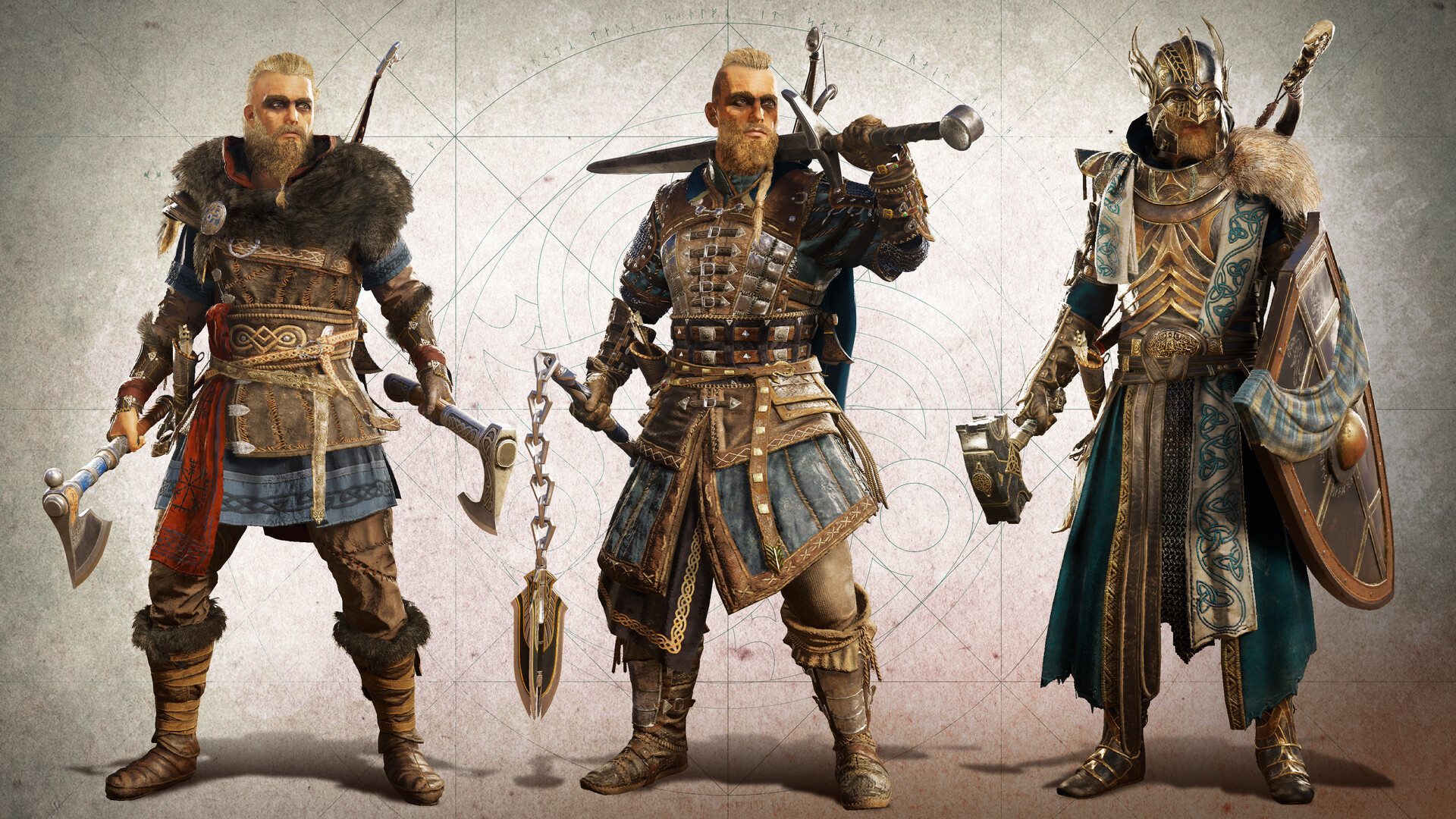
The game wants you to think, not to take everything at face value. It turns old legends into something you remember, makes gods feel like voices in your head, and swaps the end of the world for a new beginning. For anyone into old myths, it’s a hands-on way to see how ancient symbols can be reworked to show how one person changes.
Eivor’s story isn’t about turning into a god but about dealing with the weight that gets passed down. In the push and pull between what’s already written in the stars and what you choose for yourself, Assassin's Creed Valhalla figures out what it’s really saying—not in the showy tales, but in the quieter, everyday gifts we pass from one person to another.