Assassin's Creed Valhalla: A Game at Odds with Itself
Next-Gen or Bust: Performance Across Console Generations
Assassin's Creed Valhalla is a game that thrives on next-gen hardware. Playing on a PlayStation 5 or Xbox Series X, you’re met with faster load times, richer environmental detail, and smoother performance. The rolling hills of England feel expansive and atmospheric, and the lighting in longhouses or beneath stormy skies enhances immersion in a way older consoles just can't match. But beneath that surface polish, the game's technical flaws persist: stuttering NPC animations, visual bugs, and inconsistent frame pacing rear their heads even on the latest systems.
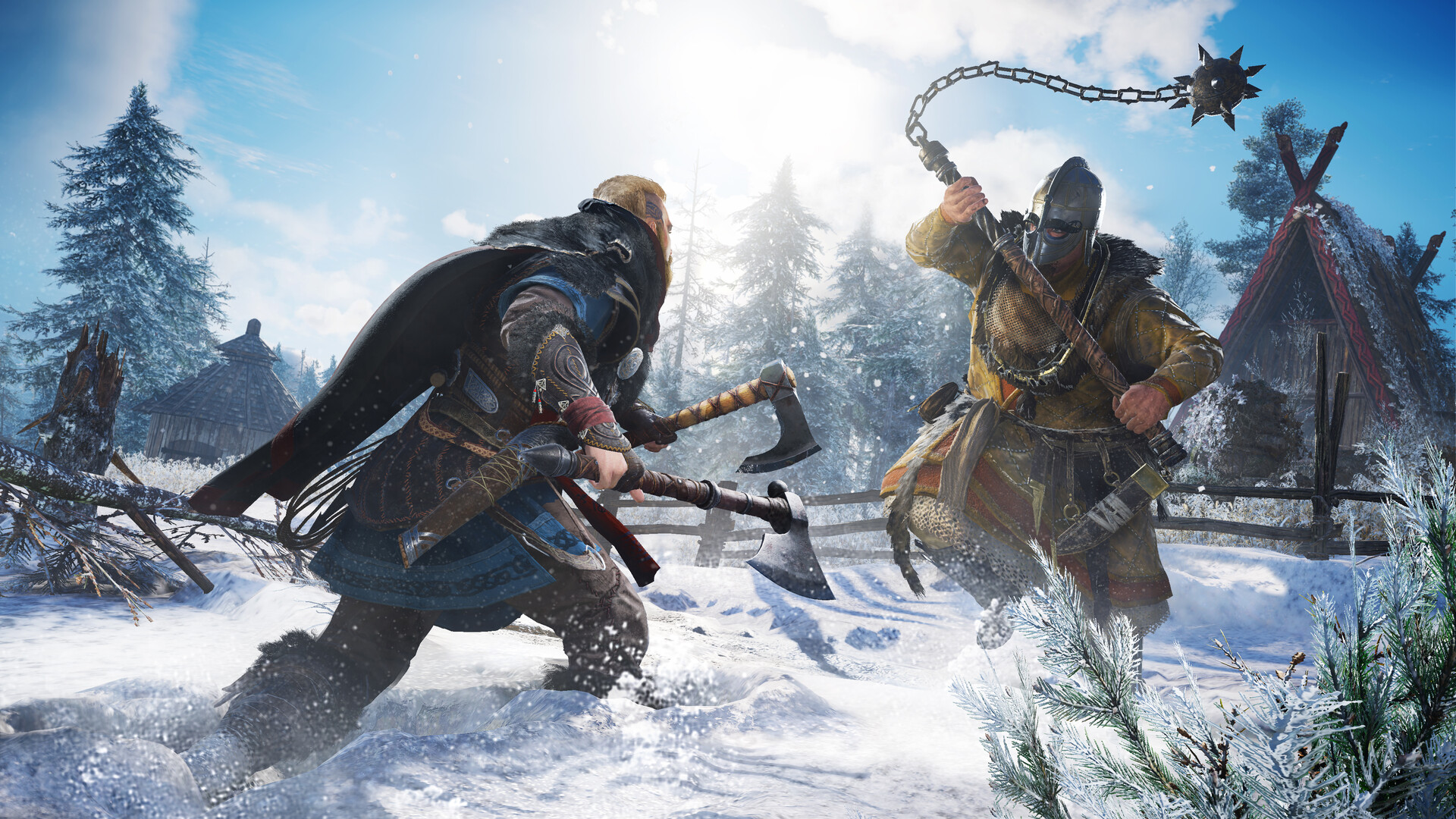
On older hardware, however, these issues become more than occasional annoyances. Long load times break immersion, textures pop in with distracting delay, and the frame rate suffers noticeably during intense combat or densely populated scenes. It’s not just a difference in fidelity—it’s a fundamentally different experience. Valhalla was clearly built with next-gen ambitions, but its cross-gen design leaves older platforms gasping for air.
Combat: Evolution or Regression?
At first glance, Valhalla's combat feels like a natural evolution. It ditches the floaty feel of Odyssey in favor of weightier, more grounded hack and slash mechanics. The hits feel like they connect; axes thunk into shields, and finishers are satisfying and brutal. The game feels “smoother” in the early hours, with fluidity in chaining light and heavy attacks, dodges, and abilities. Initially, I was impressed. It seemed like Ubisoft had finally found a middle ground between Origins' foundational overhaul and Odyssey's more refined action.
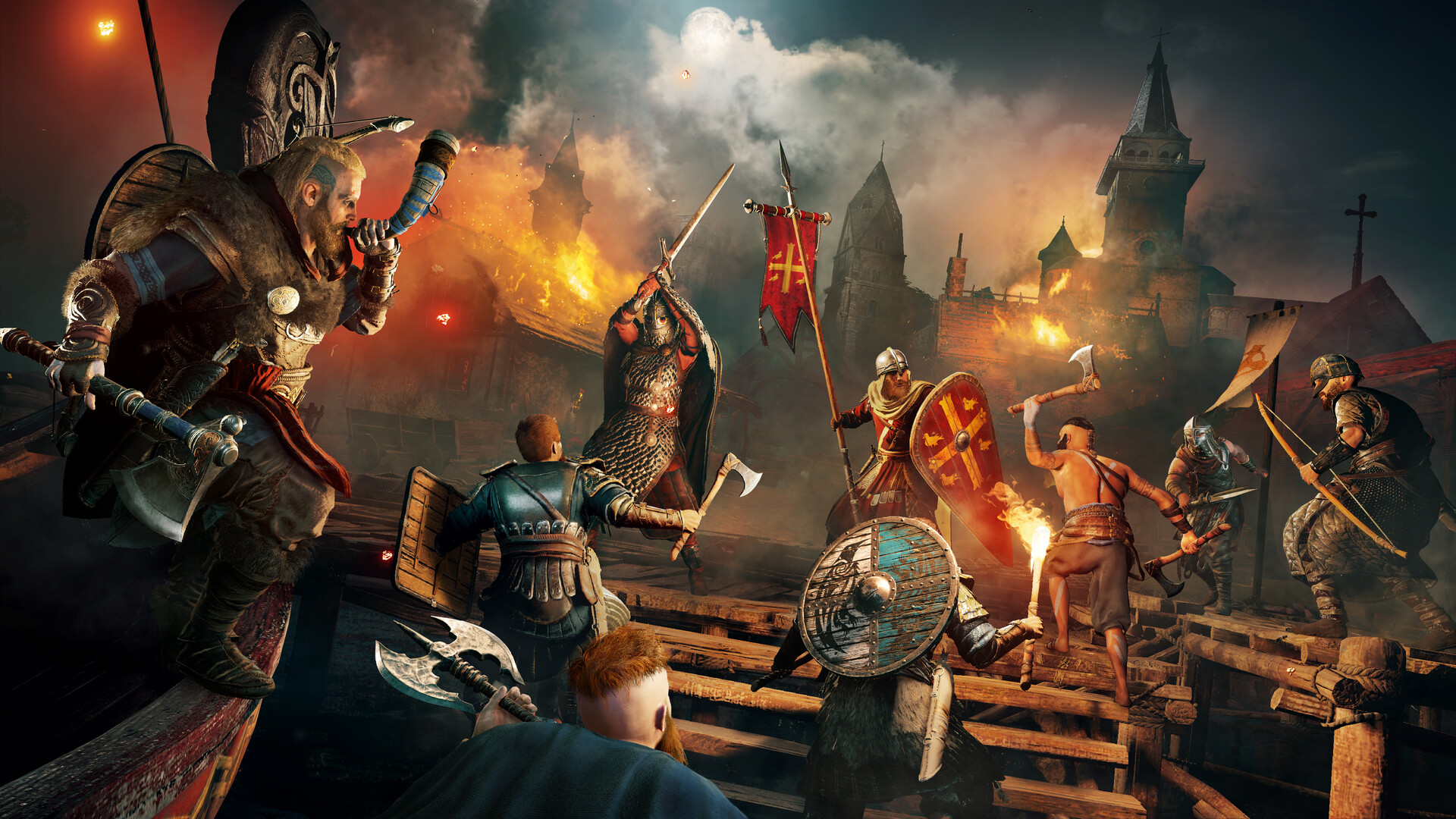
But that sensation doesn’t last. As the game progresses, the cracks begin to show. Combat gradually loses its rhythm. There’s a clunky pacing that sets in, largely due to the rigid animations and hit detection. Eivor must move within hugging distance of an enemy, plant their feet, and then commit to an attack. If the enemy shifts or dodges, you're left swinging at air, caught in a slow recovery animation. Unlike Odyssey or even Syndicate before it, there’s no real sense of fluid motion from target to target. The combat system, while visually visceral, lacks the responsiveness that makes encounters feel seamless.
Stealth and Scouting: A Return to Frustration
For a series that once prided itself on precision stealth, Assassin's Creed Valhalla fumbles the basics. The scouting mechanic is a major culprit. Your raven, a spiritual successor to the eagle of Origins and Odyssey, can no longer tag enemies. That simple, elegant system of recon has been replaced with something more abstract and far less useful. The raven now merely highlights general areas of interest, forcing you to physically scope out enemies by walking into danger.
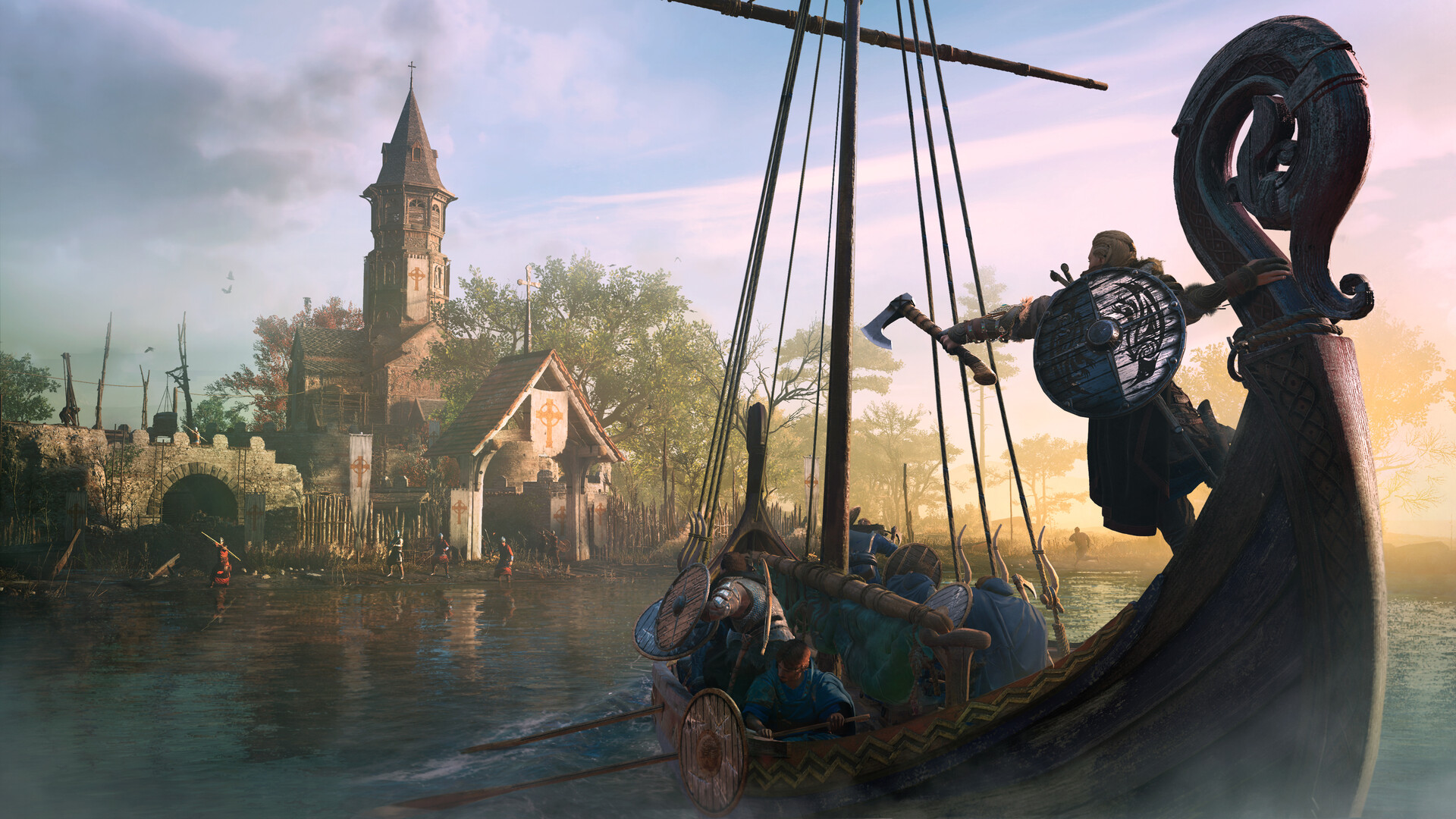
Restricted areas have become unnecessarily convoluted. They're often sprawling with minimal visual clarity, blending hostile zones into neutral ones without warning. Guards don’t follow discernible patrol routes, and even when you do manage to sneak through, the detection system feels erratic. As someone who prefers the stealth-first approach, I found myself repeatedly frustrated by systems that seemed designed to discourage patience and planning.
Combat's Clumsy Core
Valhalla’s combat is not only inconsistent in design, but deeply awkward in its mechanics. There's a rigidity to movement that undercuts the fantasy of being a deadly Viking. Eivor’s attacks feel less like fluid extensions of player intent and more like queued animations that have to play out in full. You can’t strike mid-dodge or transition smoothly from one enemy to the next. There’s a constant need to reposition, wait for the right proximity, then commit to a strike. In moments where you're surrounded or facing off against a faster enemy, this leads to a feeling of being trapped in molasses rather than dancing through battle.

Even the adrenaline abilities, which should serve as exciting combat modifiers, often interrupt flow. They’re powerful but require deliberate activation and animation pauses, further slowing combat to the regret of players who buy cheap PS4 games. Unlike Odyssey, where ability use could be woven into combos, Valhalla makes them feel like separate gameplay chunks.
Difficulty and Encounter Design: The Grind or the Gauntlet
Balancing difficulty in an open-world RPG is no small feat, but Valhalla struggles more than most. Early areas either throw wave after wave of forgettable enemies at you or introduce boss-like figures capable of hurling you across the battlefield like a rag doll. There’s little middle ground. The power-level gating system makes exploration feel artificially segmented; wander too far off the critical path, and you’re punished not by narrative consequence but by wildly unbalanced combat.
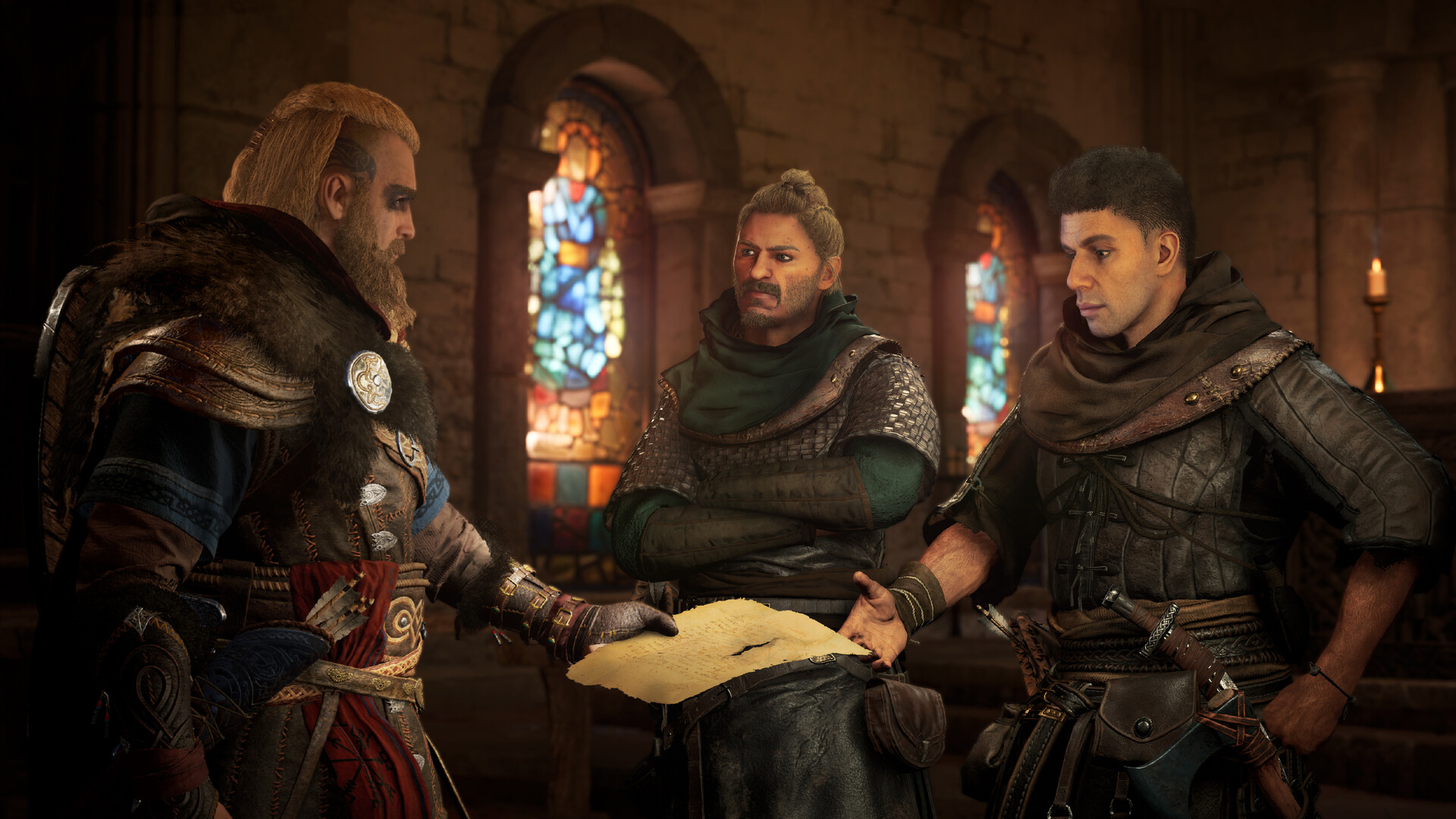
There were times when enemy hordes just wouldn’t stop, padding out fights to the point of tedium. Other times, I was stunned by a single attack, launched across the screen like a shotput, forced to restart or flee. Neither experience felt tuned or purposeful—just frustrating. Instead of offering a challenging but fair progression, Valhalla often feels like it's lurching between monotony and mayhem with no clear sense of pacing.
Conclusion: An Ambitious But Uneven Epic
Assassin's Creed Valhalla wants to be everything: a sweeping Viking saga, an immersive historical sandbox, a brutal action game, and a thoughtful RPG. At times, it succeeds. But too often, these elements are undermined by inconsistent design choices, technical shortcomings, and a lack of cohesion. When it works, and let's hope it will be fixed, Assassin's Creed Valhalla is a glimpse into what Assassin's Creed could become on next-gen hardware: cinematic, brutal, and expansive. But its foundation is uneven, built on systems that don’t always communicate well with each other. For players like me—those who care about narrative consistency, gameplay fluidity, and immersive stealth—Valhalla is both a triumph and a disappointment. It’s a game I wanted to love, and at times did, but one that ultimately left me hoping the series' next step is not just bigger, but better refined.